Chapultepec: the Hill of the Grasshopper and Its Springs
Before it was a castle, this hill was a source of fresh water that kept the Mexica capital alive.
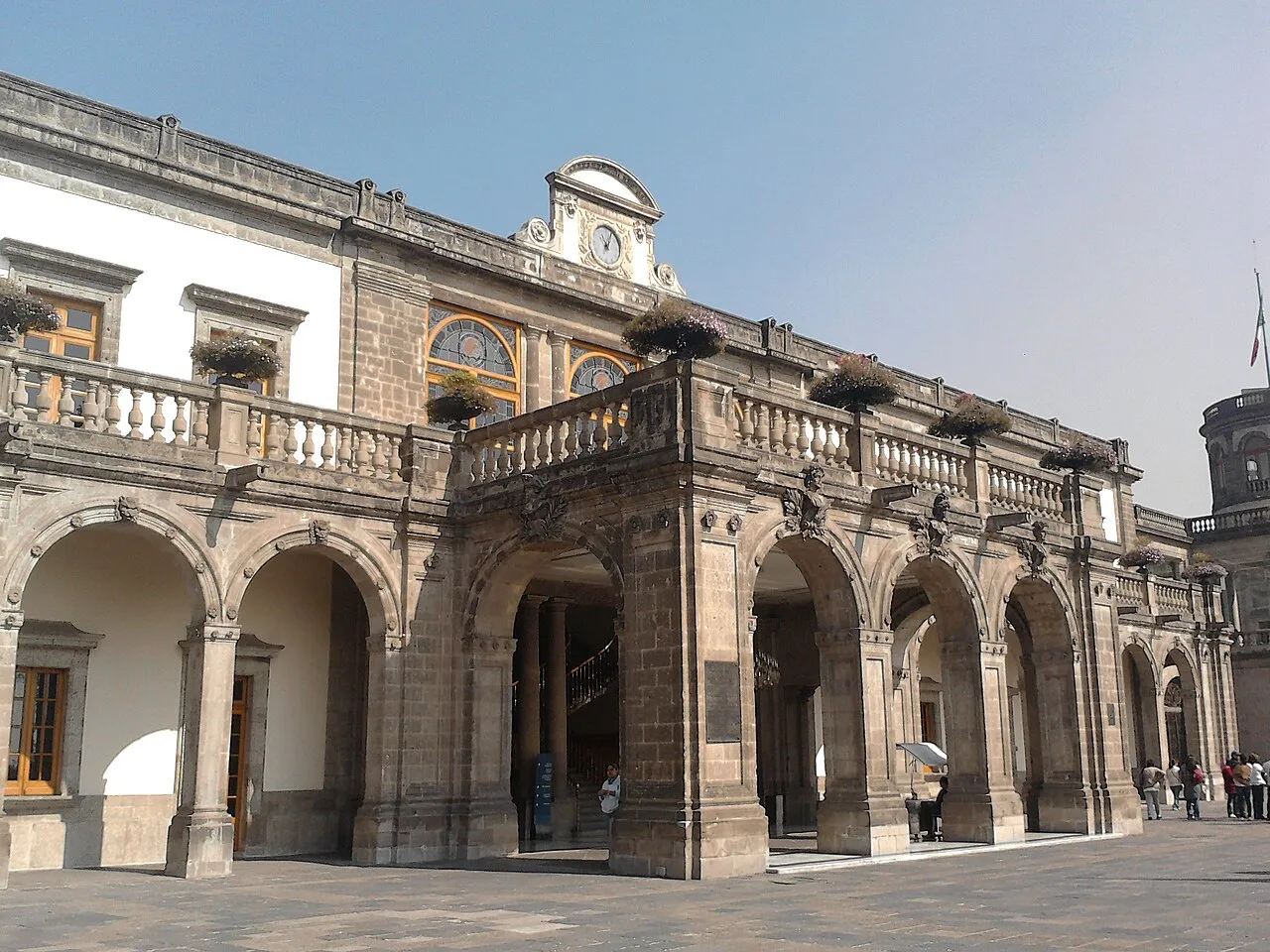
Location: Exteriors and Entrance, Chapultepec Castle.
This climb crosses several layers of history, and the oldest one has no walls. It is water.
There are pottery and burials from the Preclassic period, between the year twenty-five hundred before Christ and the year two hundred after Christ. They show that people settled here about three thousand years ago. They chose the shore of the ancient Lake Texcoco, beside a hill that overlooked the landscape.
The Mexica came to know this place during their long migration. They stopped here for a time, until the Chalca and the Xochimilca drove them out. When they founded Tenochtitlan, they looked back toward this place. The National Museum of History explains that Chapultepec was considered a sacred and strategic place because of its springs. A study from UNAM recalls the detail that explains everything: the water of Lake Texcoco was not drinkable. Without these springs, the Mexica capital would have gone thirsty.
For that reason aqueducts were built, though the sources do not fully agree on the dates. An INAH study says that the people of Texcoco brought water to the city in the year fourteen sixty-six. This was by order of Nezahualcóyotl, during the reign of Moctezuma Ilhuicamina. Other INAH reports speak of a first simple channel, made of reeds, stones and mud, around fourteen eighteen. What is clear is its function: to bring fresh water to a city built on the lake.
The hill also served to leave a record for posterity. INAH reports that Mexica rulers had their portraits carved into the nearby rocks. A text from the Institute of Historical Research of UNAM adds that several of those images were destroyed over the centuries.
Water was also a weapon. During the siege of Tenochtitlan, the Spanish troops under Cristóbal de Olid destroyed the first aqueduct of Chapultepec. Years later, in fifteen thirty, a royal decree from Emperor Charles V gave the forest to Mexico City. The trees with thick trunks that grow at the foot of the hill are ahuehuetes, a Nahuatl word that means old man of the water. A letter from Viceroy Antonio de Mendoza, from fifteen thirty-seven, already mentions them. Tradition credits Nezahualcóyotl with planting the oldest ones.
The summit was slow to receive a palace. According to the museum, a gunpowder explosion destroyed a viceroy’s country house in seventeen eighty-four. It stood on the slope of the hill. A year later, Bernardo de Gálvez began work on a new palace at the top. That is the origin of the Castle you are about to visit.
Since then, these slopes have seen cadets, emperors and presidents pass by. In the battle of eighteen forty-seven, the San Blas battalion was the only reinforcement for the defenders. According to the National Institute of Historical Studies of the Revolutions of Mexico, it only managed to climb as far as the first ramp.
So, before you reach the door, keep this idea in mind: the hill was first a spring, then a protected forest, and much later a palace. Now the main entrance to the grounds awaits you.
Listen to the full audio guide for Chapultepec Castle
72-hour pass for US$7, no subscription.